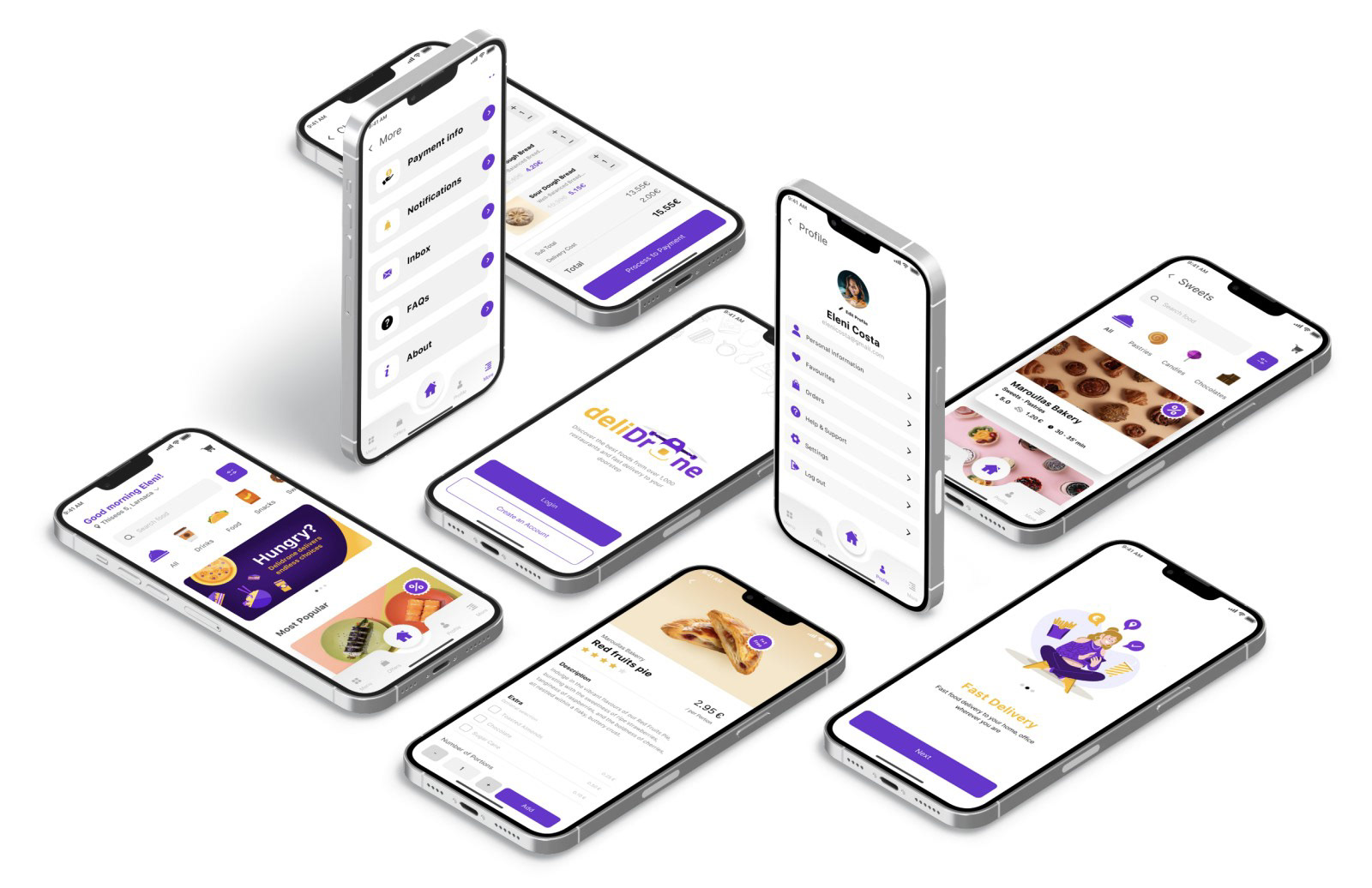
For my portfolio project module at university, I chose to create the Delidrone delivery app. This imaginary project aimed to solve problems in the food delivery industry with a new idea. It allowed me to explore innovative design solutions and develop a user-friendly interface for a food delivery service. The app focused on seamless navigation, efficient order processing, and intuitive user interactions, showcasing my ability to design functional and engaging mobile applications.
DRONE FOOD DELIVERY APPLICATION
In today's fast-paced world, technology become an essential part of people's life. Through the years technology changed the way that people live and interact. In the past people used to order food on direct phone calls or in-person to place their orders. Then food delivery came into the food market. Multiple of restaurants, cafes and more, adopted this to transport orders to customers' places. While this service has been widely adopted, challenges came when the number of delivery orders increased. Waiting time for customers was a lot, the road traffic was an enormous issue of the companies and because of that food quality affected which offered bad impacts on the overall dining experience of customers. What’s more, order accuracy was another issue as numerous of customers were receiving incorrect or missing items in their orders. An important and serious problem was the environmental impact from the delivery vehicles contributed to traffic crowding and environmental pollution.
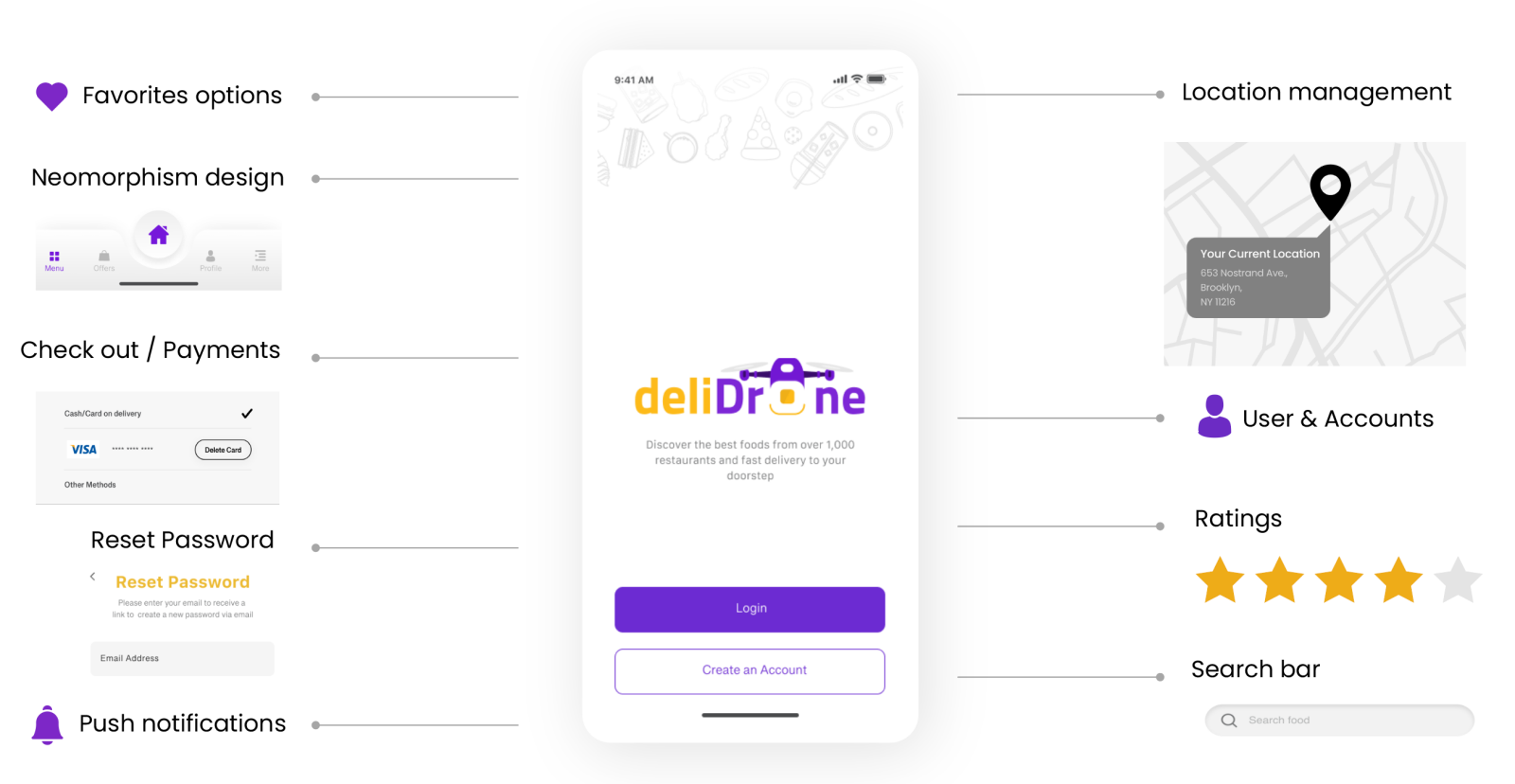
Due to these problems food market introduced food delivery applications. Thus app allow users to easily browse menus from various restaurants, customize their orders, securely pay, receive notifications at different stages of the process, and manage multiple delivery addresses for convenience. Overall, the applications aim to simplify the process of ordering food, making it convenient and efficient for users to enjoy their favourite meals from the comfort of their homes or workplaces.
Target Audience
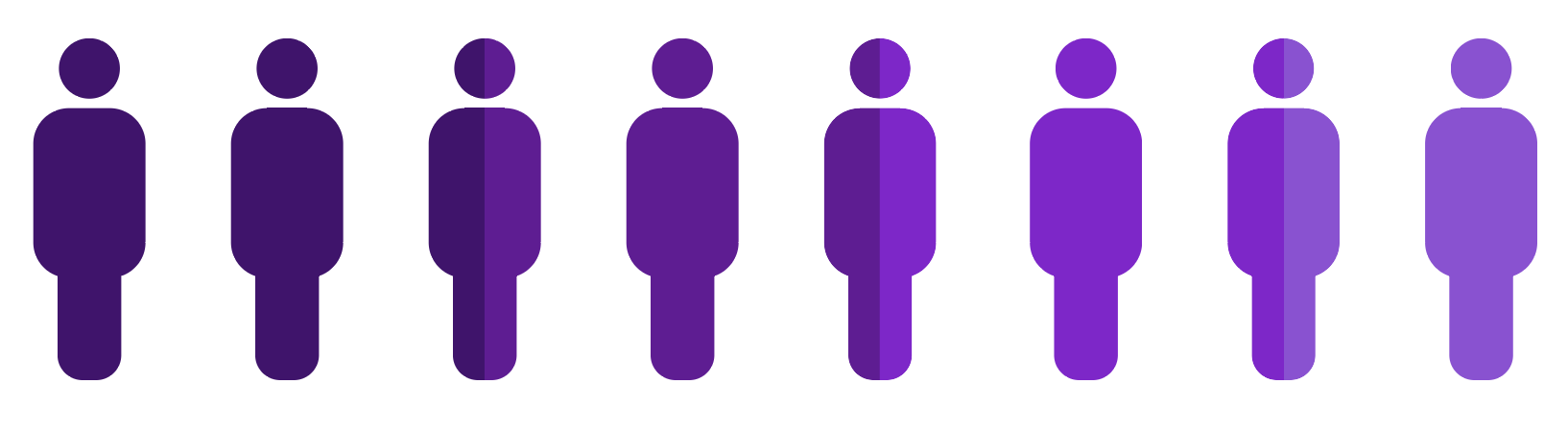
Application's Target audience include people around 18-40, who are City residents requiring fast and reliable food delivery. Also, Urban dwellers30-50, Parents looking for easy and family-friendly dinner options. Families18-25, College students in need of quick and affordable food delivery. Students25-45, Working adults seeking convenient meal solutions.Busy professionals
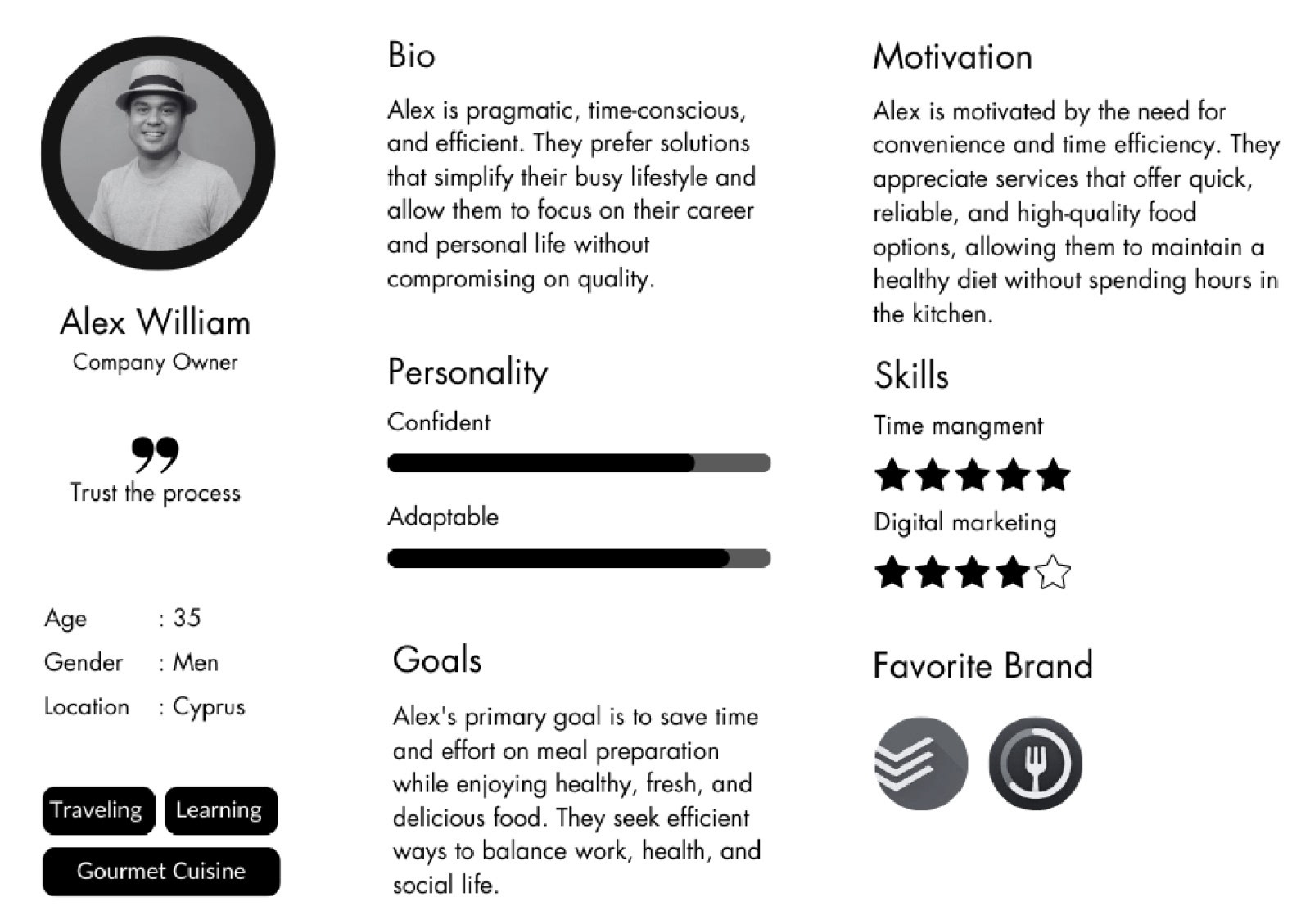
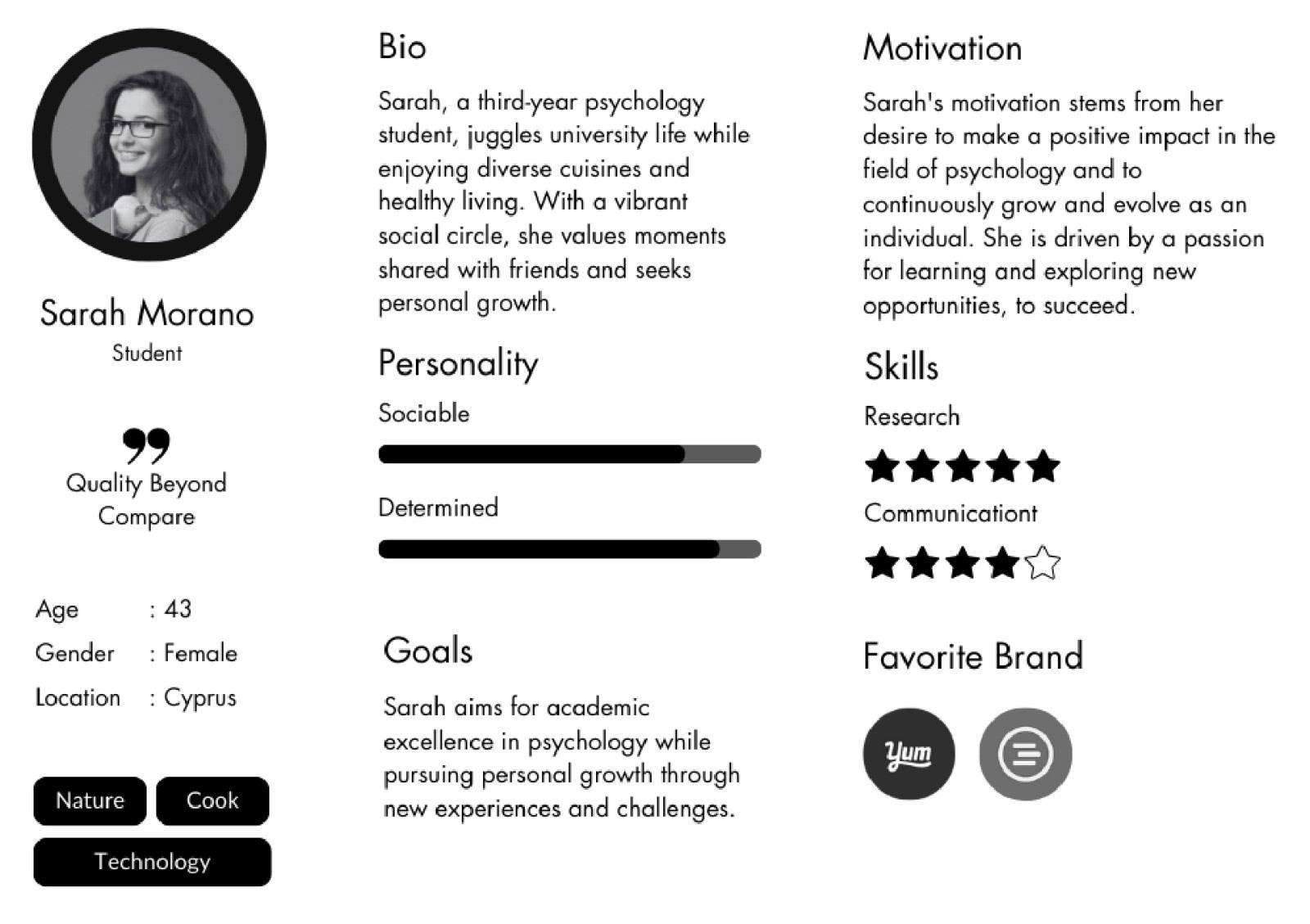
PERSONAS
USER GOALS
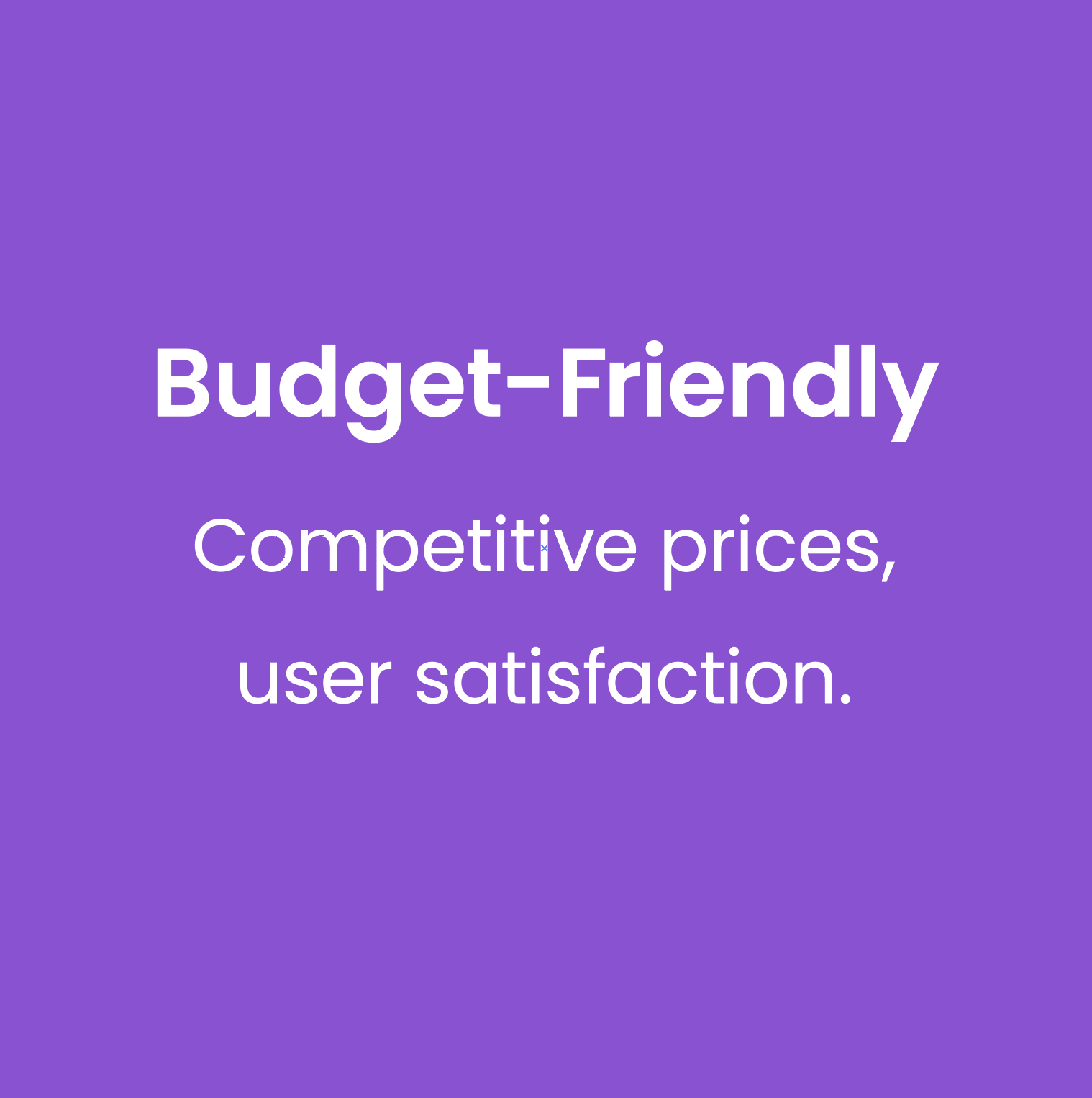
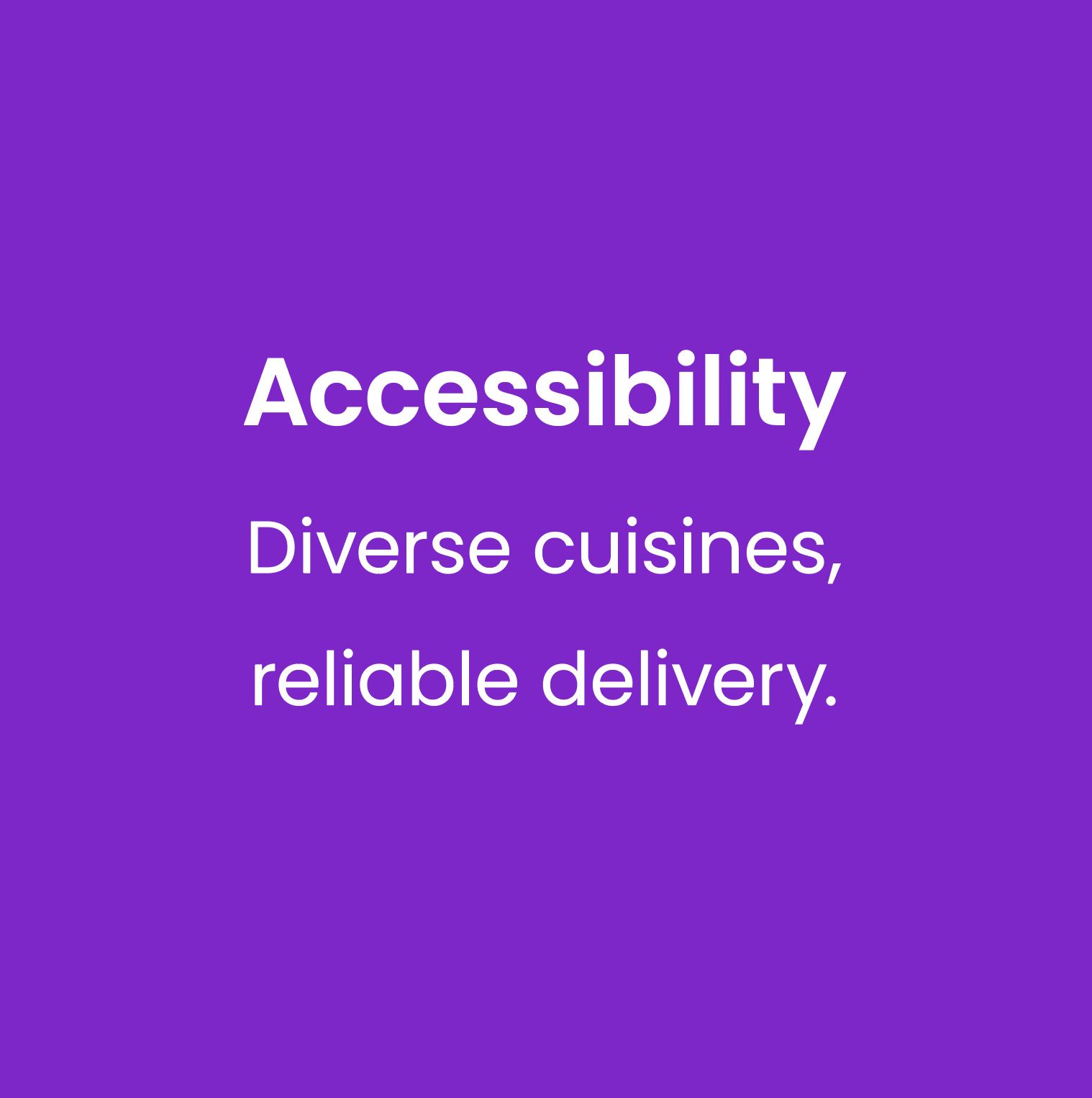
Through this section, I conducted interviews and a questionnaire to outline the user goals, to accomplish and simplify the understanding of their objectives and achievements.
USER SCENARIOS
Alex, a busy company owner, orders sushi from the Delidrone app for a quick and convenient lunch during his workday. He tracks his delivery in real-time and retrieves it from the designated area when the drone arrives at his office building, enjoying a hassle-free meal without interrupting his workflow.
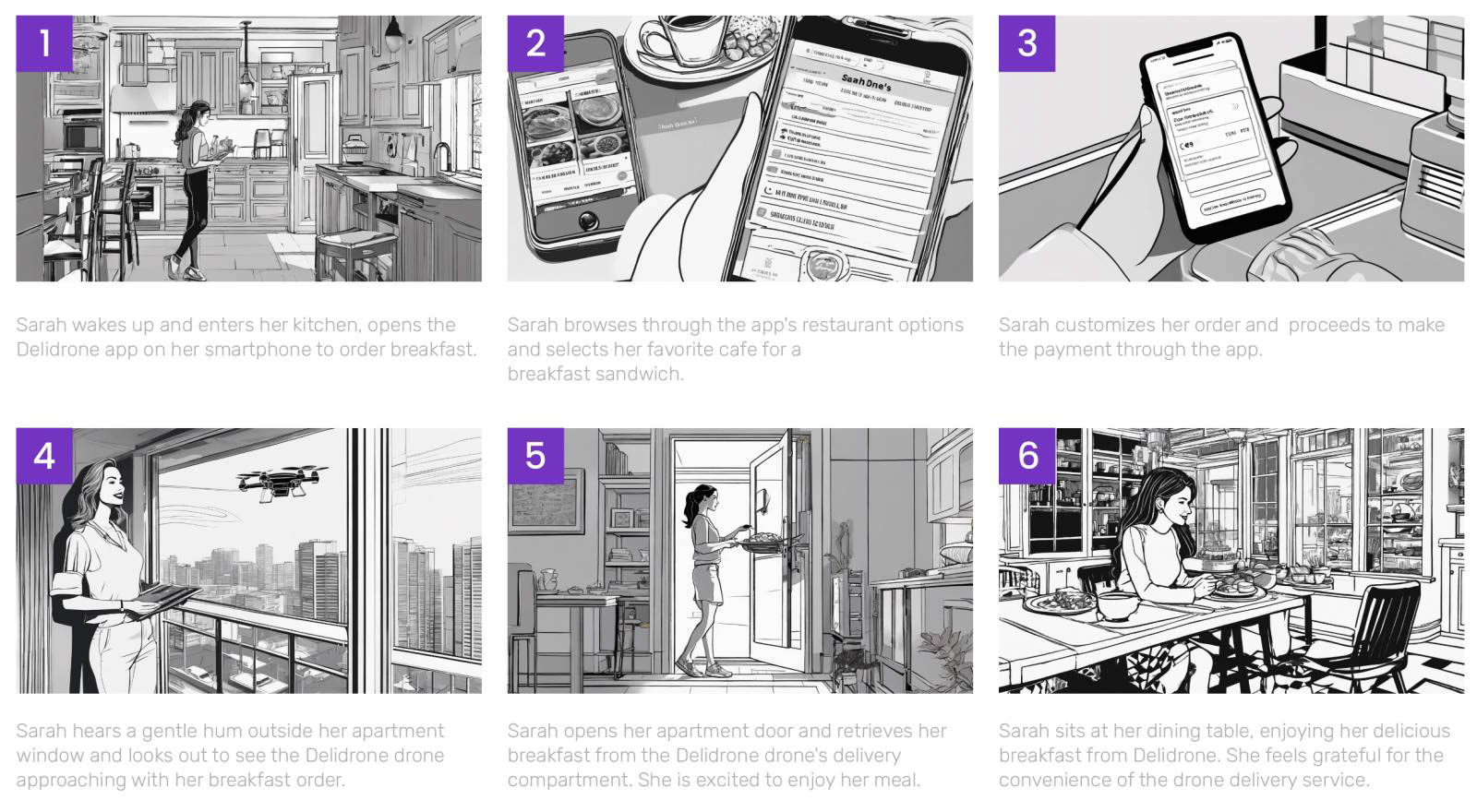
Sarah, a busy student, uses the Delidrone app to order her favorite Thai meal. With real-time tracking, she awaits her drone-delivered dinner, retrieving it from her dorm's delivery area for a hassle-free dining experience.
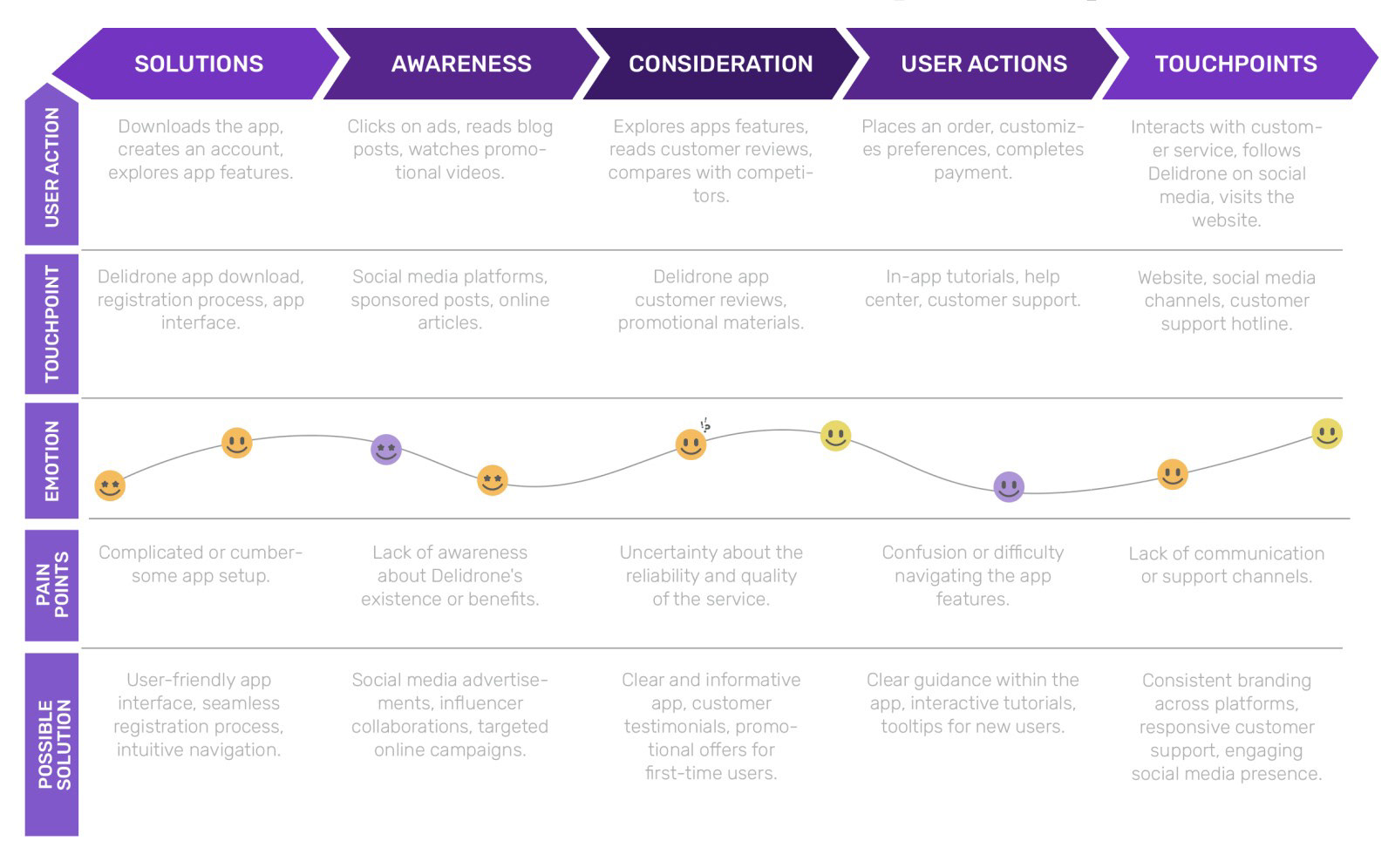
CUSTOMER JOURNEY MAP
USER RESEARCH FINDINGS
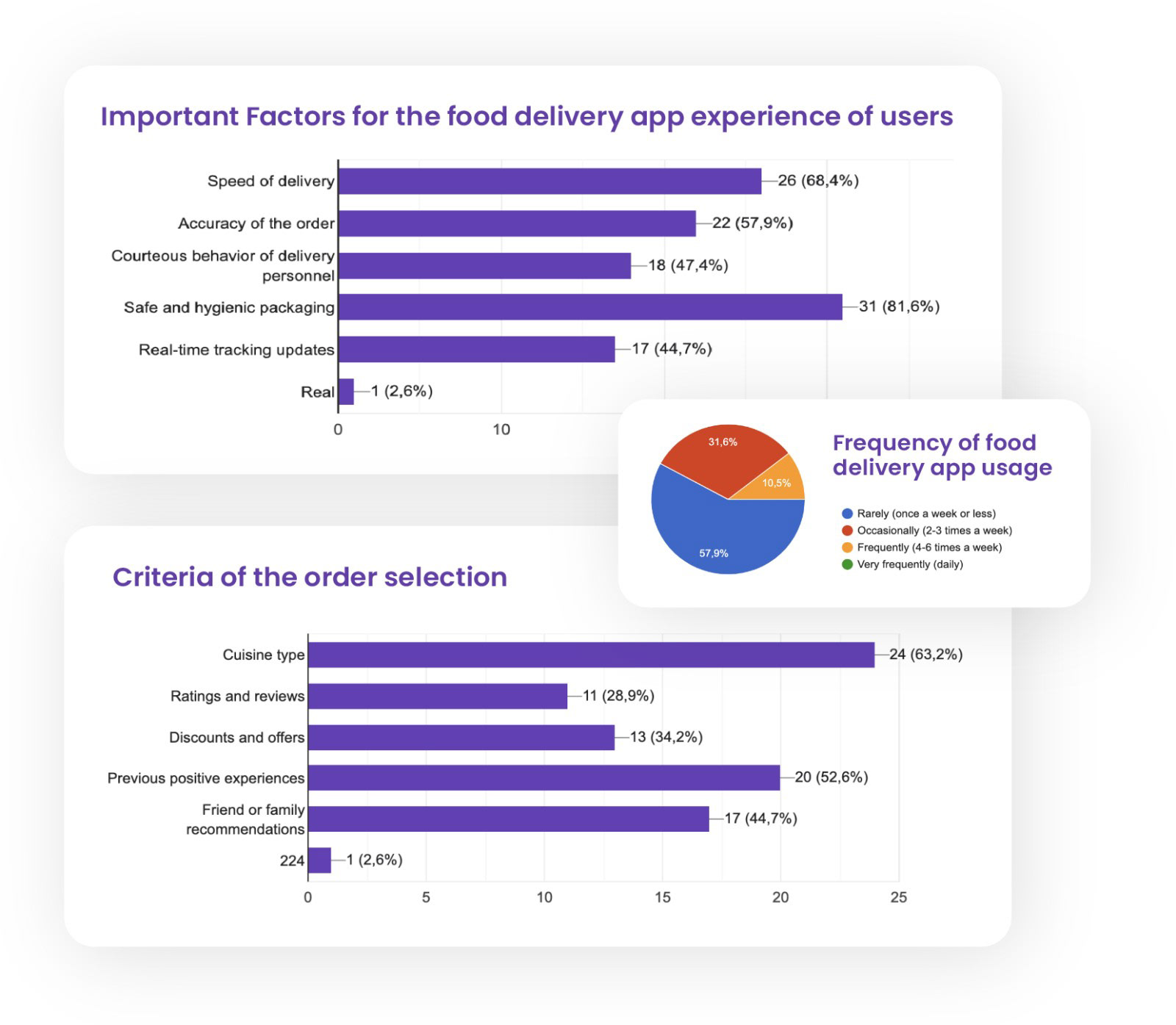
As this application fovused on user experience design, I conducted 38 individuals, all part of our diverse community in Cyprus, from various age groups and professions. They shared their thoughts on the idea of a food delivery drone application, bringing forth insights that resonated with their daily lives.
Through their valuable input, I gained a deeper understanding of their challenges, aspirations for improvement, and the features for seamless delivery experience.
STORYBOARD
FUNCTIONALITIES
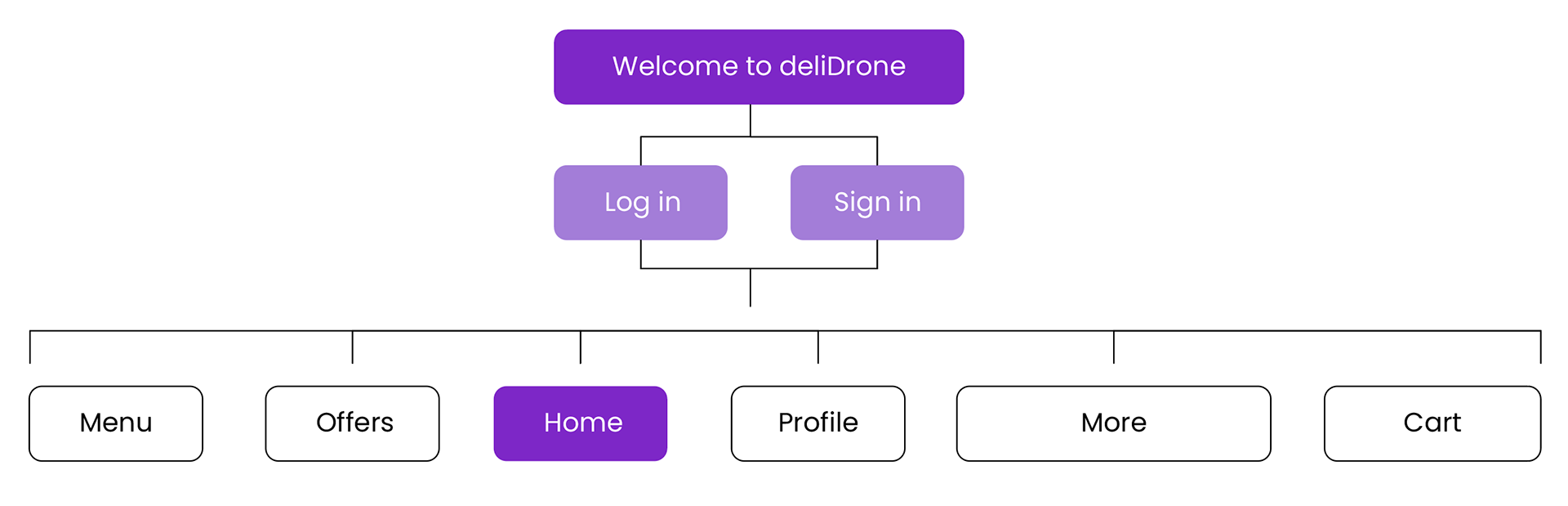
Through user interviews with our target audience, I refined the app's sitemap, addressing challenges with the "More" and "Profile" sections. Their feedback ensured alignment with user needs, resulting in a comprehensive and user-friendly sitemap.
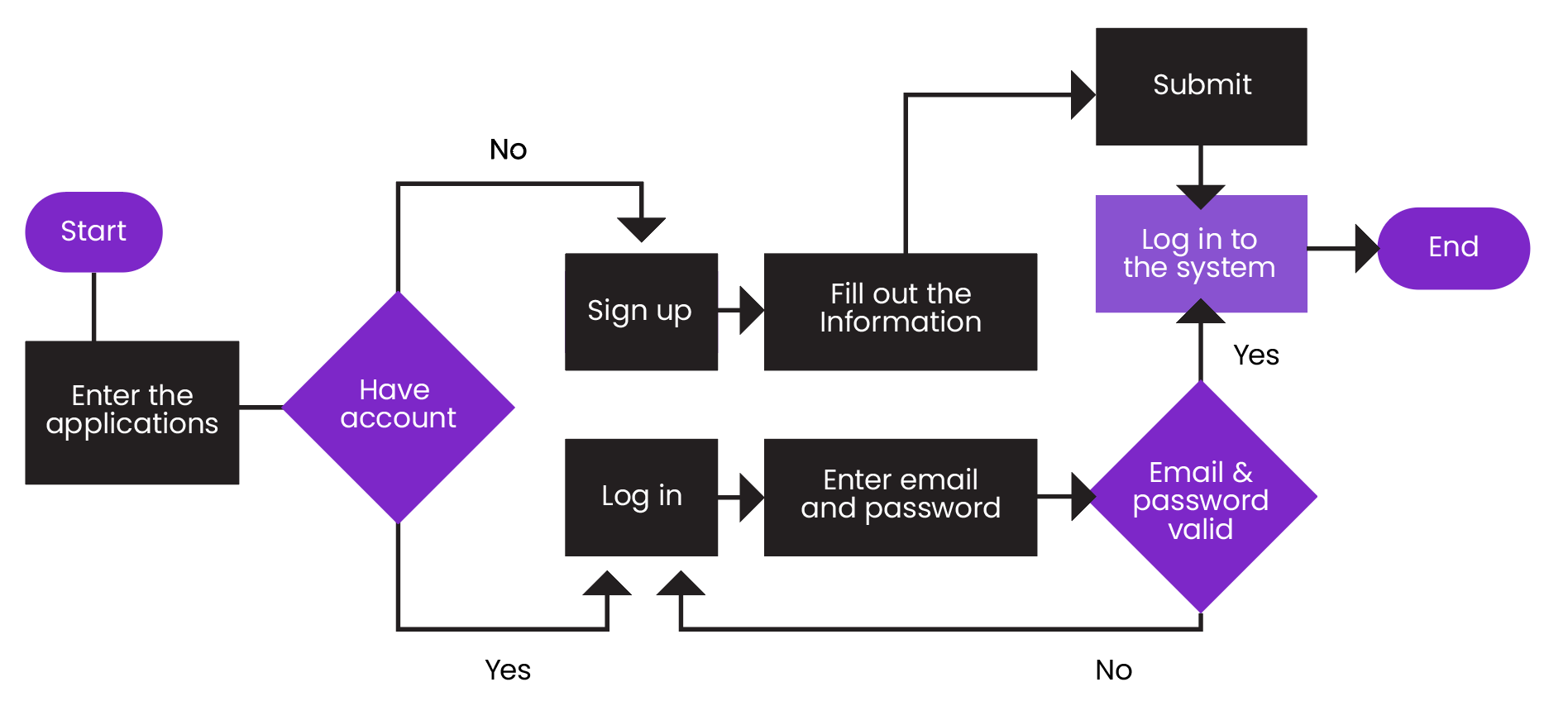
FLOW CHART
SITEMAP
BRAINSTORMING
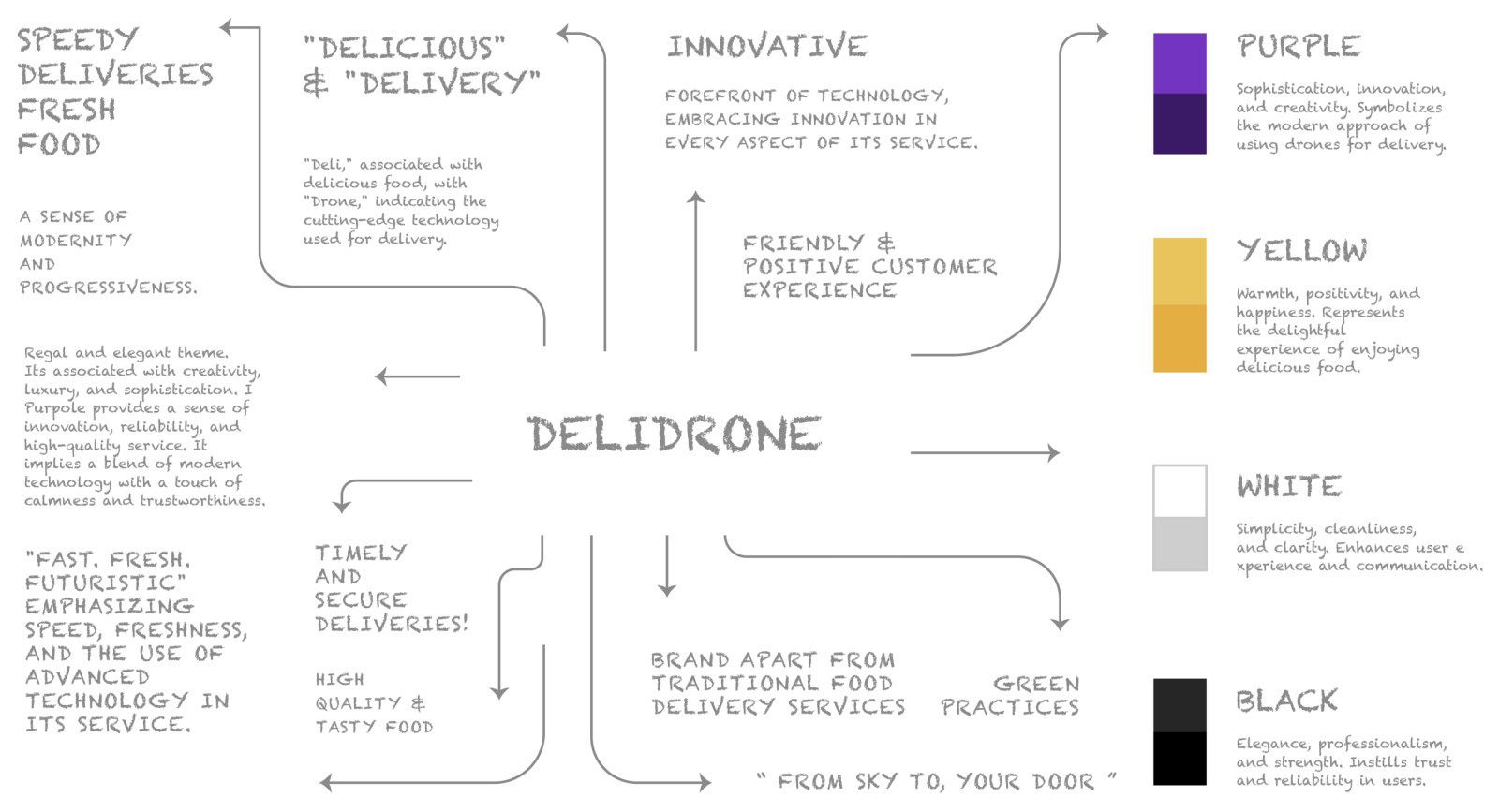
BRANDING AND LOGO NAME
Delidrone, is the brand name, it merges the joy of quality food ("deli") with innovative drone delivery. This combination perfectly cover the application concept, delivering delicious meals with drones. The name reflects to the commitment to provide fresh, diverse cuisine while leveraging cutting-edge drone technology for efficient and reliable delivery. Delidrone represents the seamless blend of tradition and innovation, promising a unique and exciting dining experience for our customers.
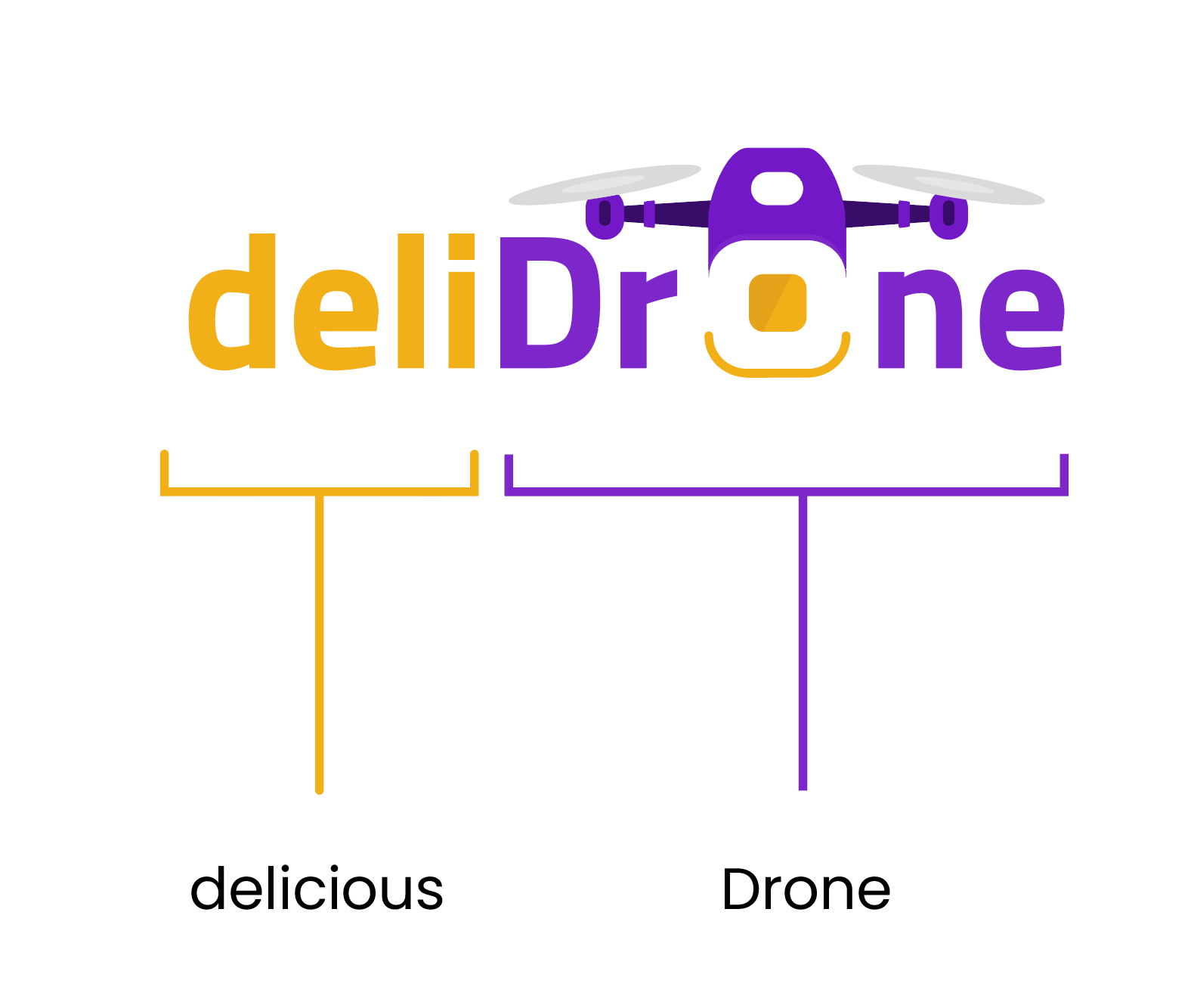
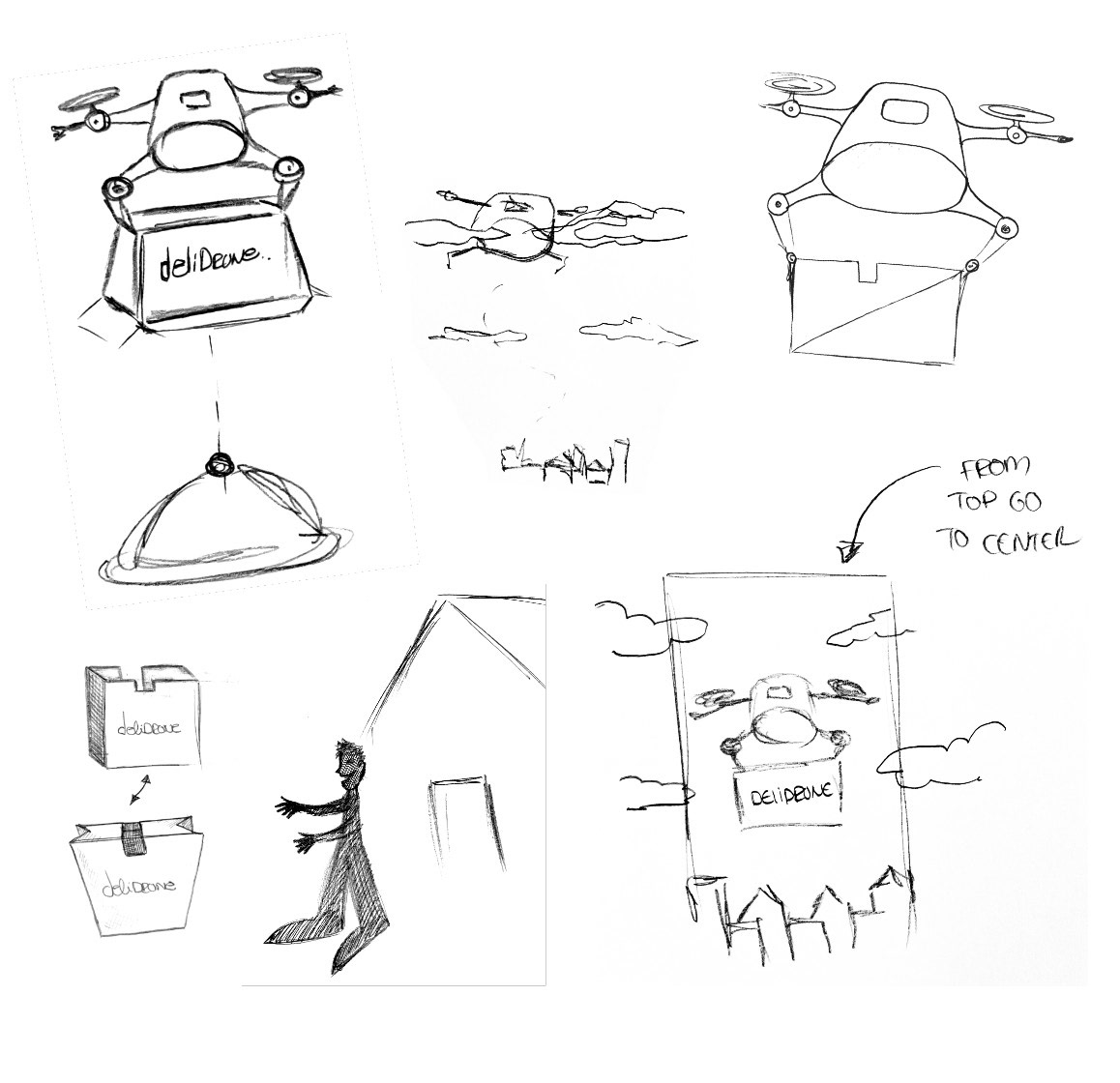
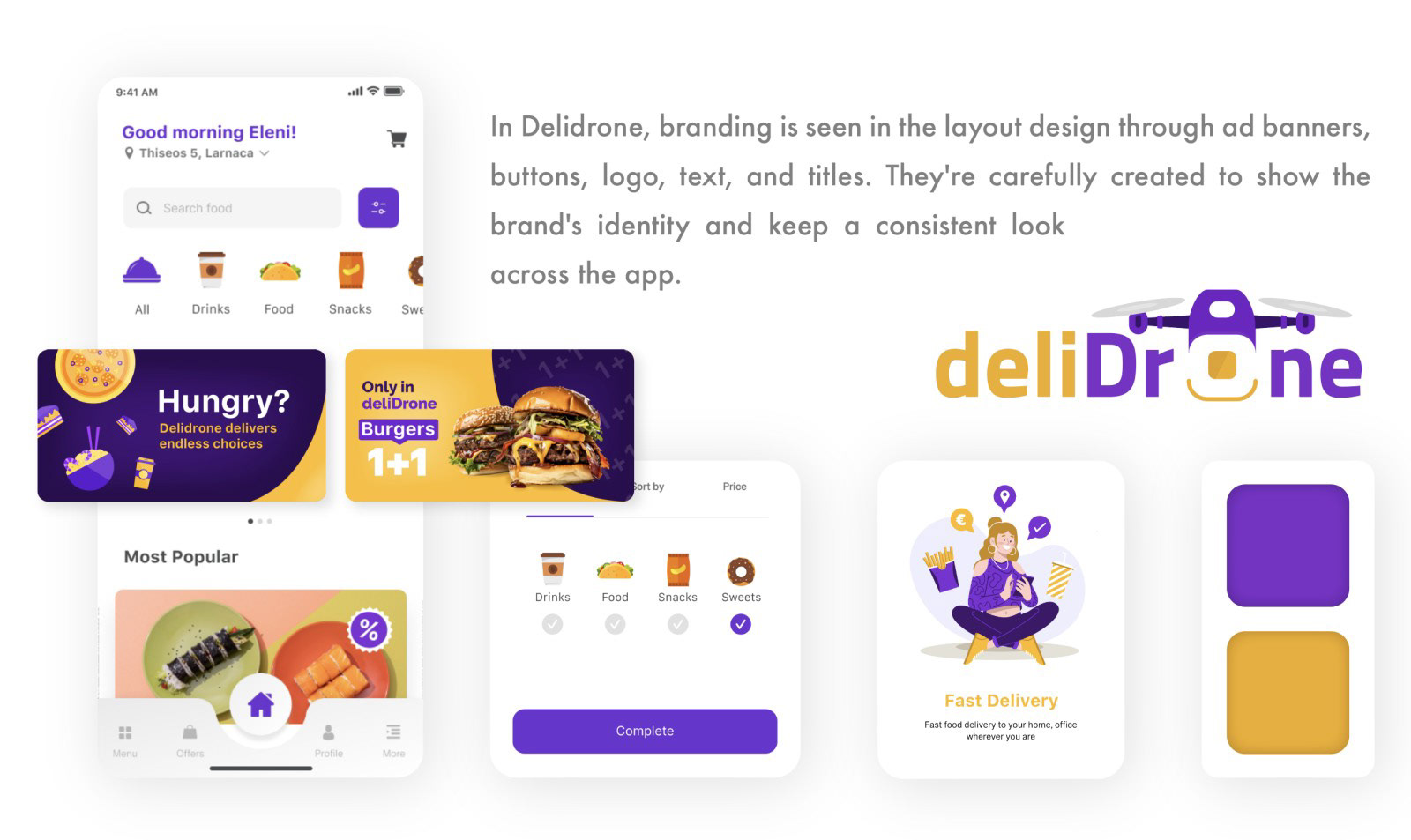
Words "deli" and "Drone" highlight the app's innovative food delivery concept. The small "d" in "deli" sparks curiosity, while the uppercase "D" in "Drone" emphasizes the new delivery method. Yellow represents friendliness and food, while purple symbolizes innovation.
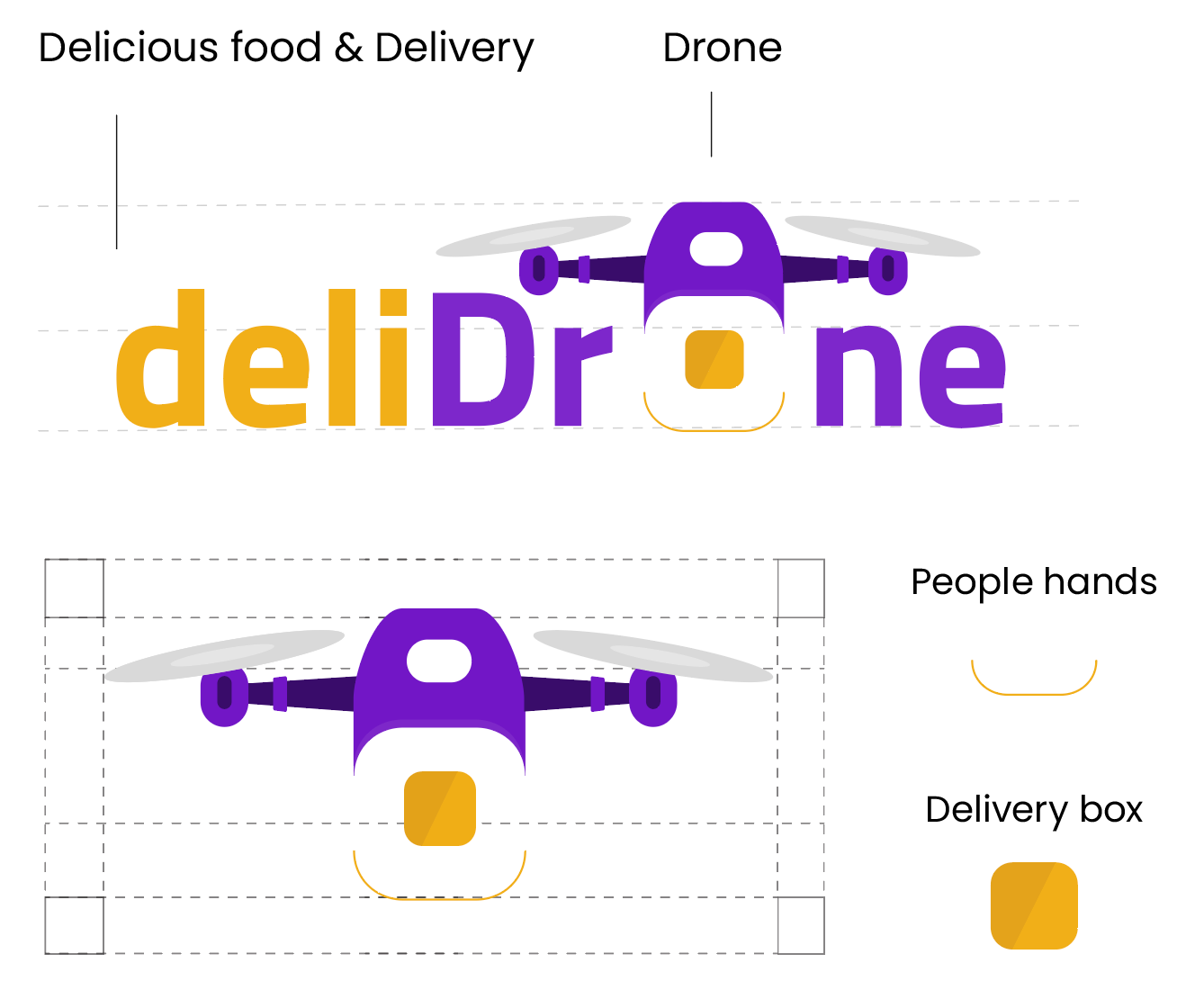
The logo features a drone icon with a box for food delivery, and a curved line suggests the user's hand ordering.
COLOUR PALLET
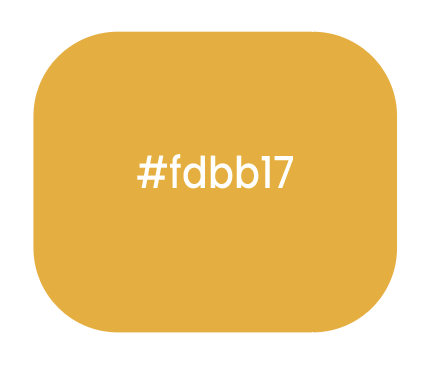
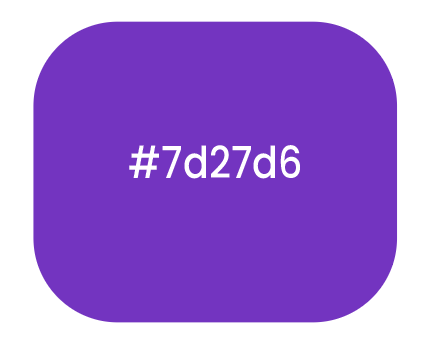
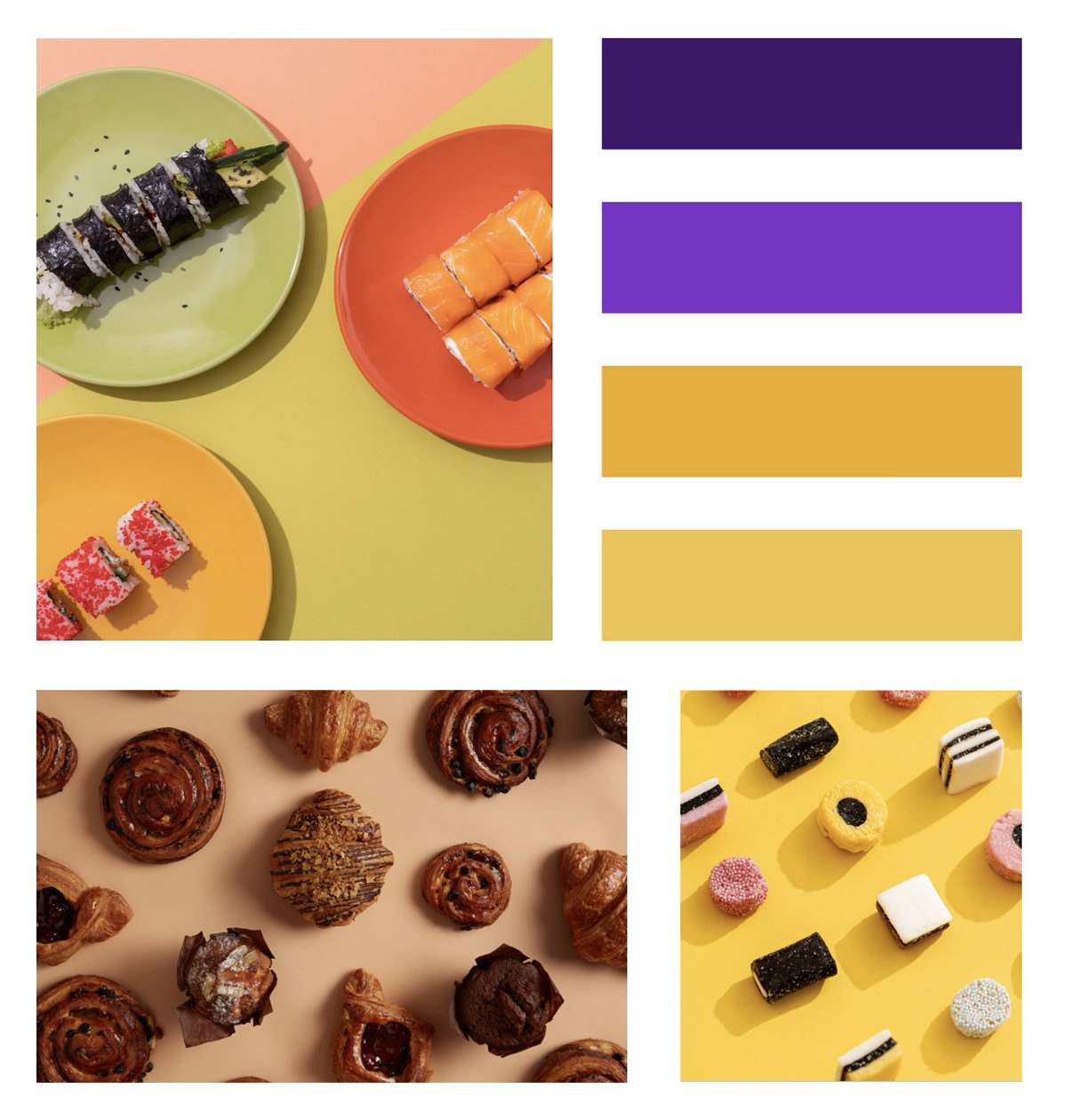
Delidrone app colour pallet includes, yellow and purple. As opposing colors are creating a vibrant and dynamic contrast.
Yellow, often associated with warmth and friendliness, embodies the comforting feeling of visiting a neighborhood deli. In contrast, Purple exudes a sense of coolness and sophistication, symbolizing the innovative and modern approach to food delivery.
This intentional color pairing infuses the app with energy and excitement while maintaining a sense of balance and harmony. Together, they create a visual experience that is both inviting and cutting-edge, capturing the essence of Delidrone's unique brand identity.
TYPOGRAPHY
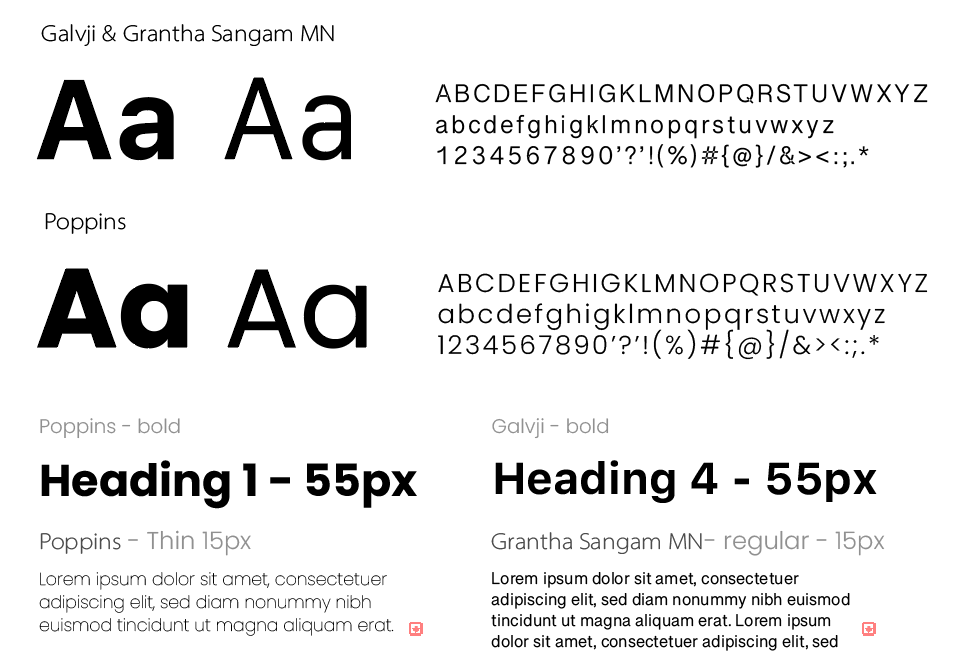
In font selection for the Delidrone app, I have chosen Galvji for its modern and sophisticated appearance, ideal for headlines and titles, while Poppins offers versatility and readability for body text and smaller elements. Together, these fonts create a cohesive typographic system that enhances the app's visual appeal and usability.
UI DESIGN
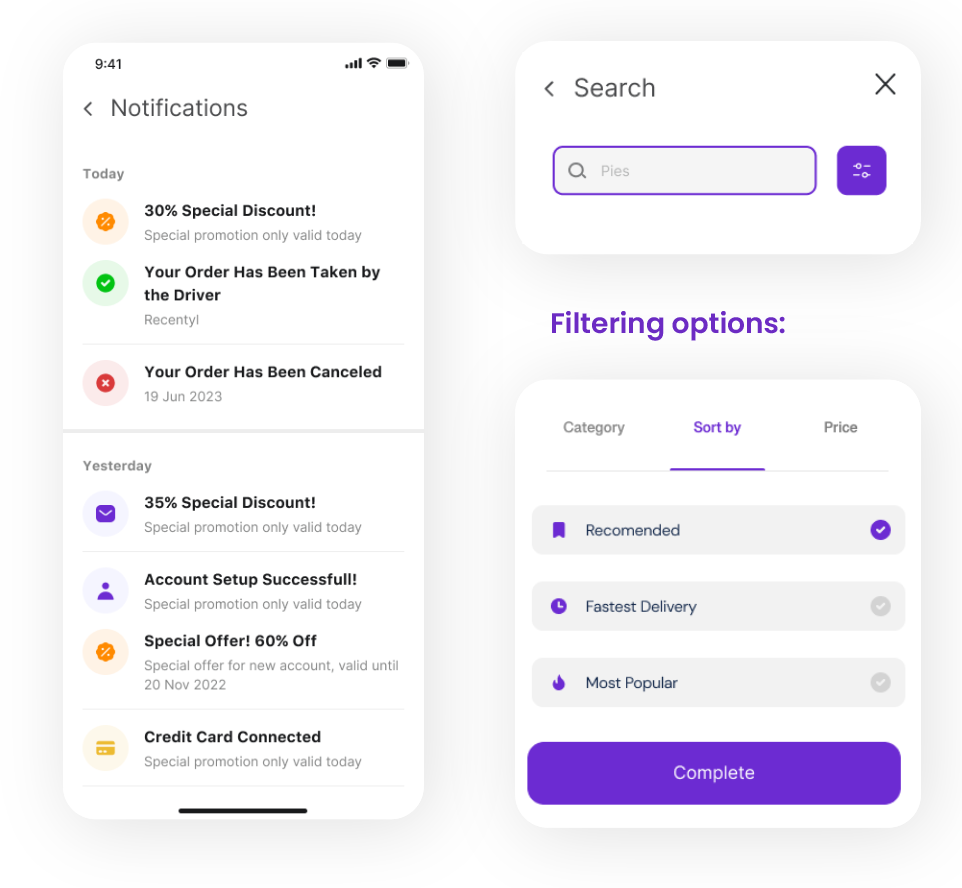
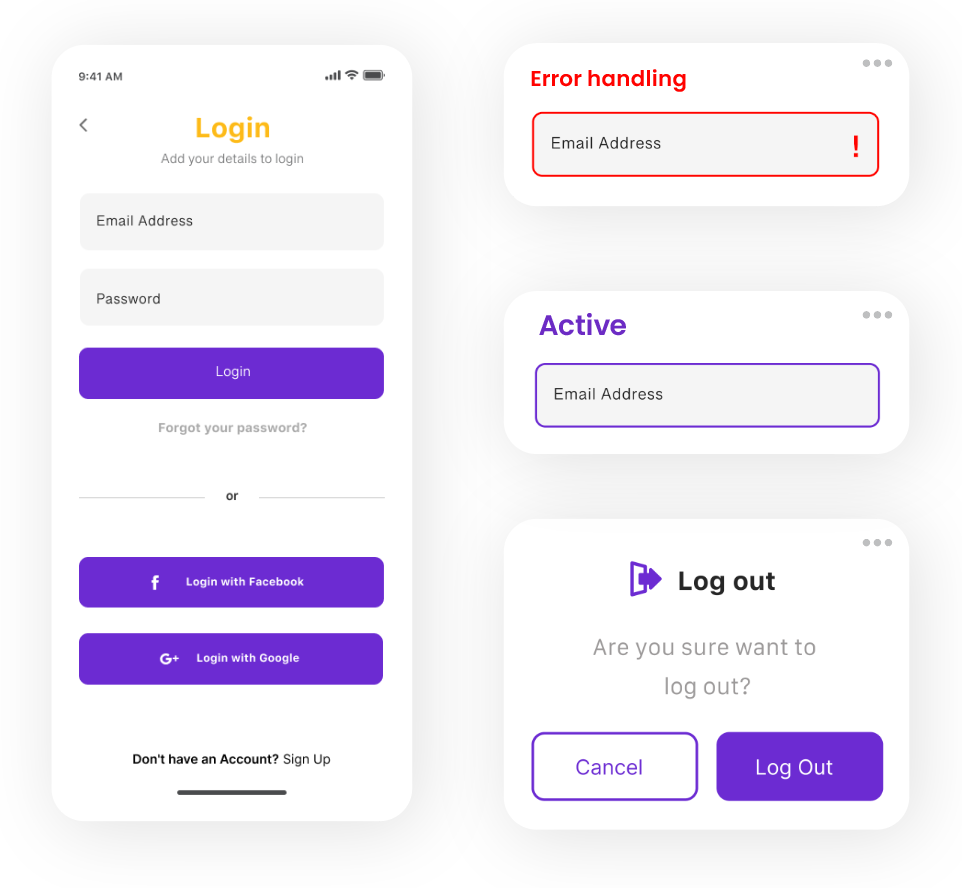
In the Delidrone app, interaction design elements like error handling with red borders, active input fields highlighted with purple borders, and informative pop-up messages ensure a seamless user experience. These intuitive features guide users through the app, addressing errors efficiently and keeping them informed without interruption. Overall, these design choices enhance user confidence and contributing to a smooth and enjoyable experience with Delidrone.
Furthermore, I carefully crafted search f`unctionalities where users can easily search for their favorite cuisines or specific dishes. Also, filtering functionalities impemented with intuitive filters available to narrow down options based on preferences such as recomended or price range. Additionally, I've implemented timely notifications to keep users informed about their order status. These features enhance user engagement and satisfaction, in this food delivery app.
MOODBOARD
In the Delidrone app, close-up photos are like opening a door to a world of delicious possibilities. They're not just pictures, they're windows into the heart of restaurant, showcasing its vibrant colors and textures. All photos were carefully selected to evoke positive emotions , to send a friendly invitation to users to take a closer look and explore the menu with anticipation.
BUILDING PROCESS
In creating Delidrone, I carefully designed and improved the app, always thinking about what users would need. I started with basic sketches of the wireframes and added more details over time. I made sure the app was easy to use at every step.
Due to this process, I focused on incorporating the storytelling trend and design principles such as contrast, white space, balance, repetition, hierarchy, and a grid system. These elements were implemented with the purpose of enhancing user experience and ensuring clarity in navigation.
I asked real people to try the app and tell me what they thought. Their feedback helped me make Delidrone better for everyone. By listening to them and making changes, I made sure Delidrone would be easy for anyone to use.
WIREFRAMES - LOW FIDELITY
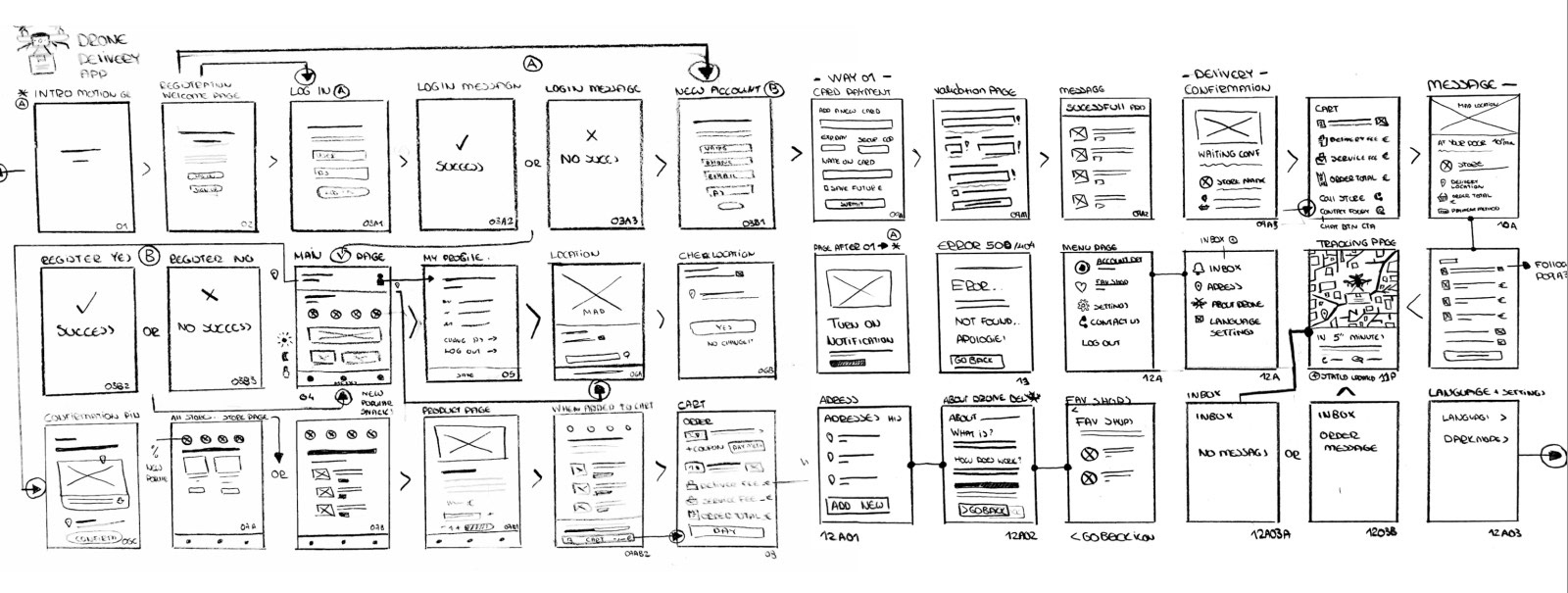
In the beginning, I made rough sketches to plan out Delidrone's basic layout and functions. These sketches helped me understand how the app would work and what it needed.
WIREFRAMES -MEDIUM FIDELITY
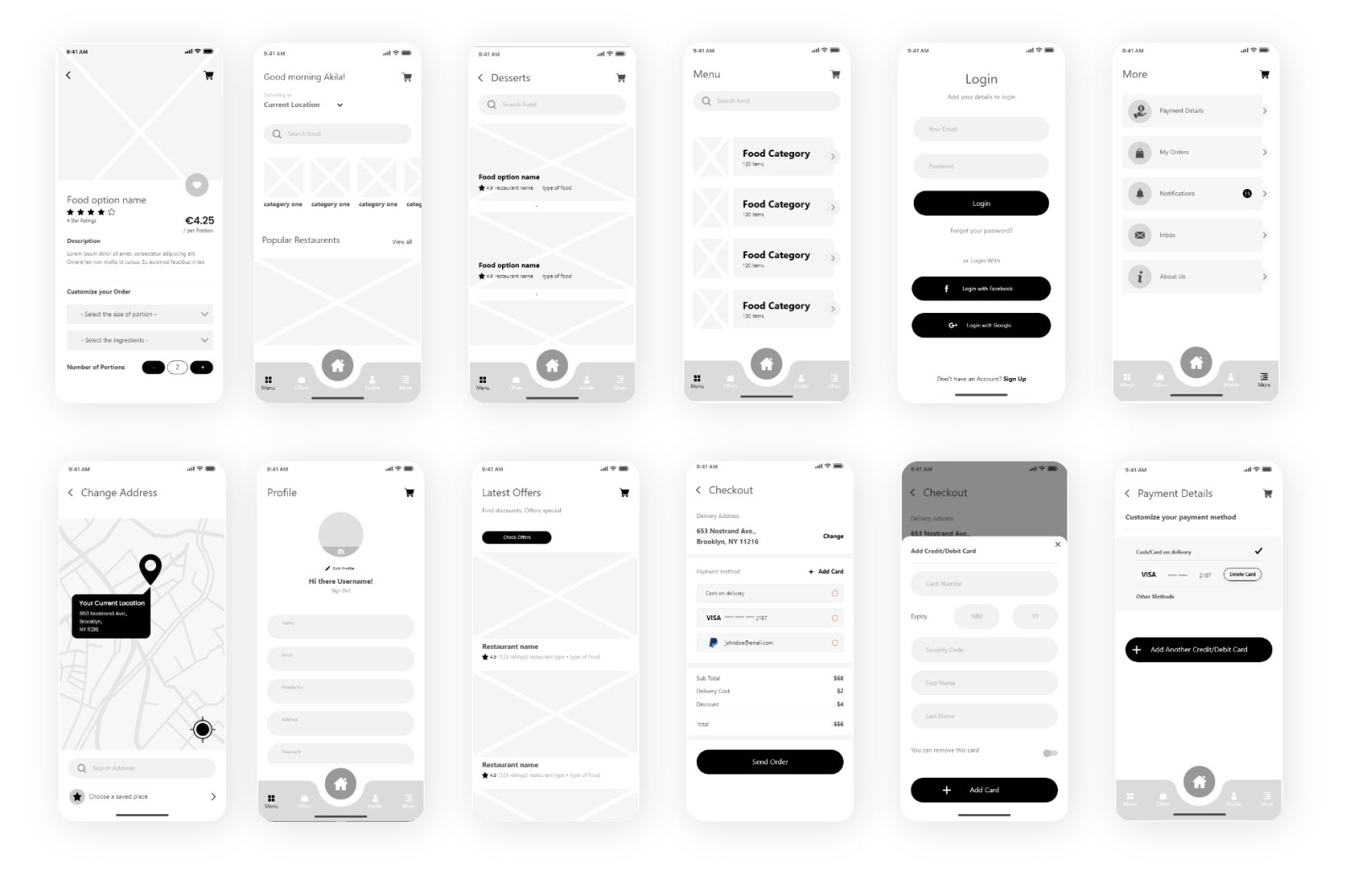
For the medium-fidelity stage, I crafted more detailed designs for Delidrone and invited users to test them out. Their feedback during this phase was invaluable in refining the app's usability. In the process, I focused on keeping things simple yet clear. The user testing i did, confirmed the success, ith testers appreciating the app's intuitive design and practical functionality.
WIREFRAMES - HIGH FIDELITY
In the high-fidelity design, I refined Delidrone's visual elements to enhance the user experience. Through further testing, users applauded the design and smooth functionality of the app. I also integrated feedback from previous testing phases to address any remaining usability issues and further improve the app's overall performance.
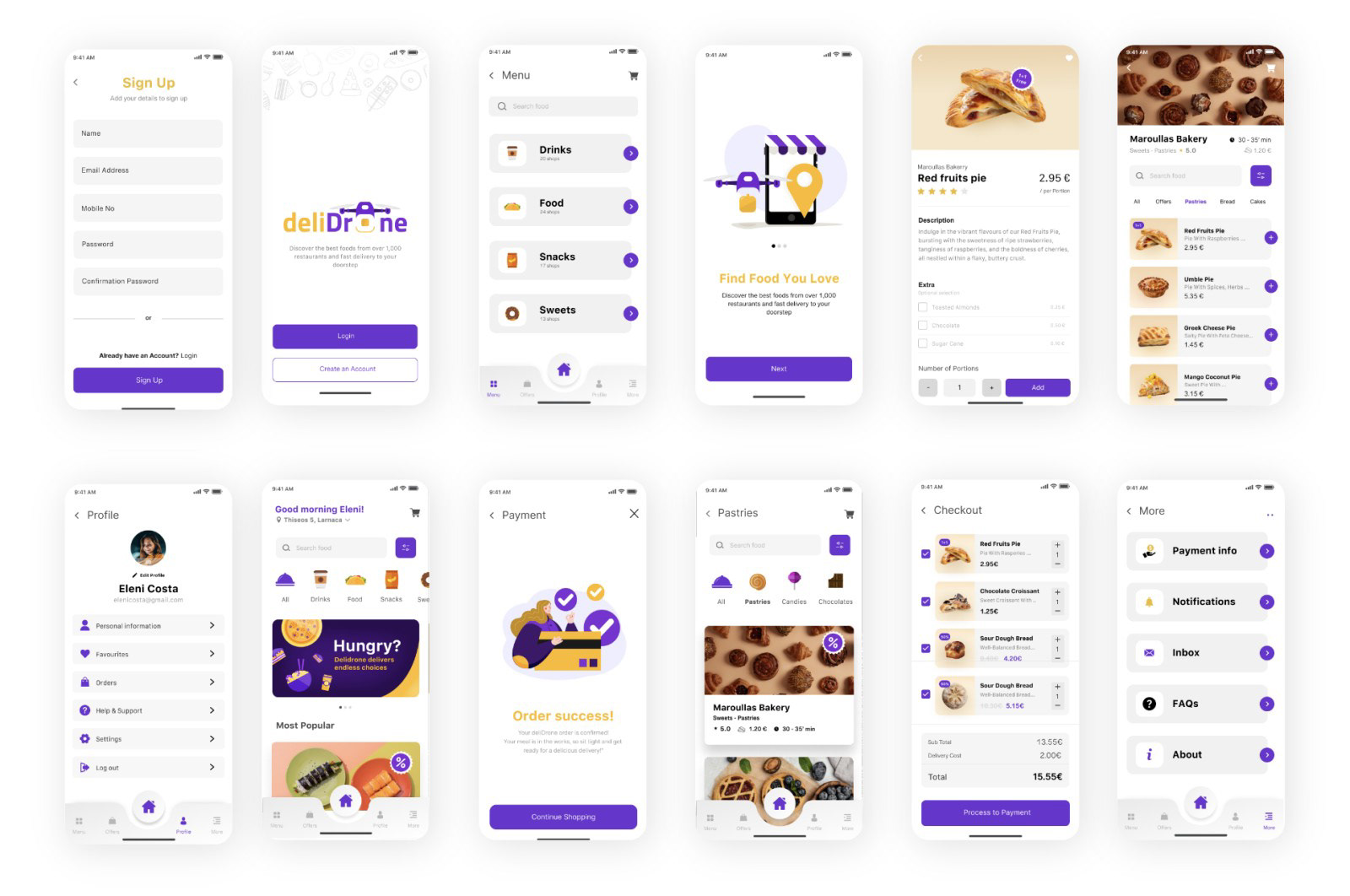
BRANDING IN LAYOUT DESIGN
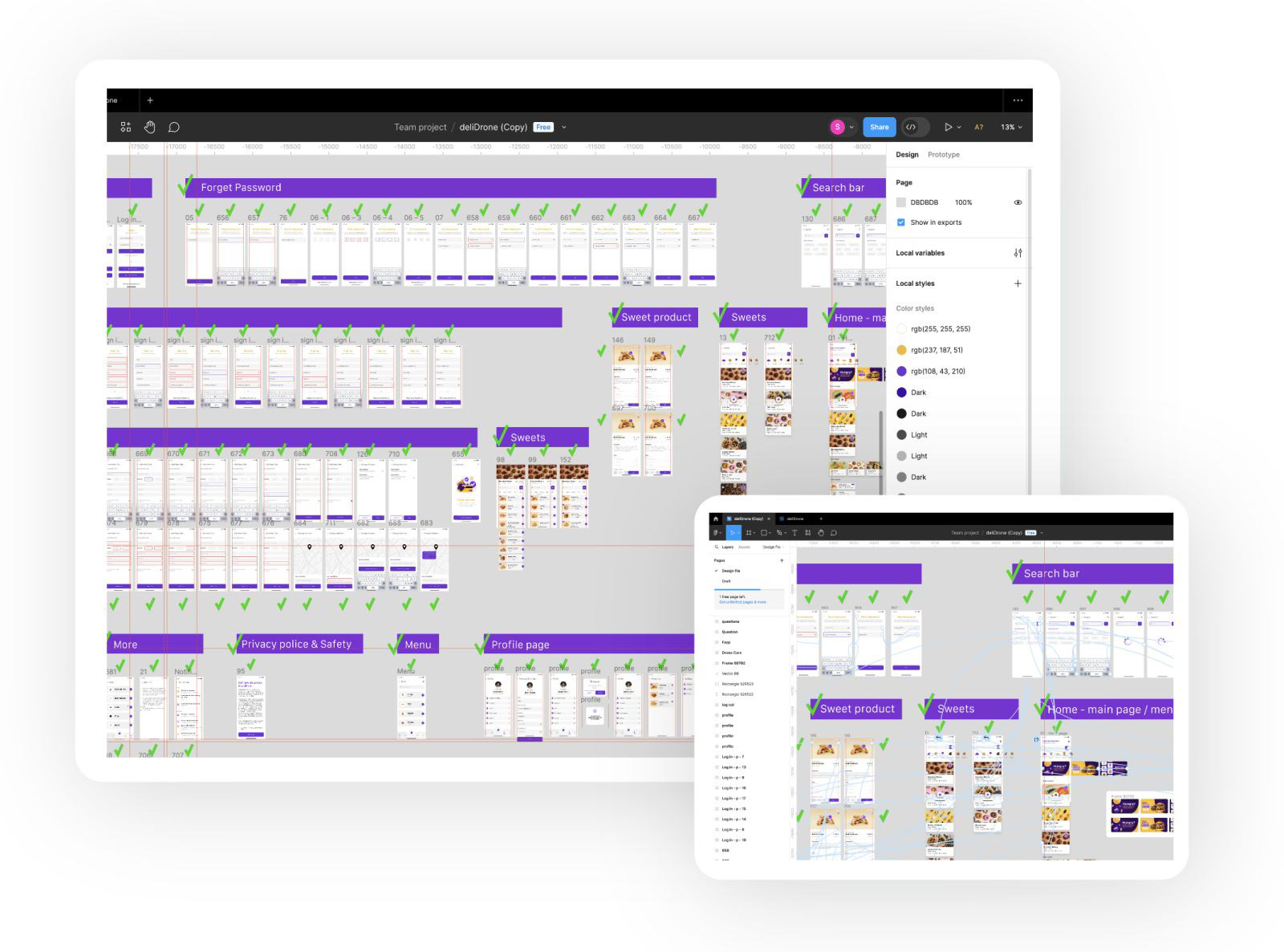
During the development process, I used Figma software as a key tool for this project to create the high-fidelity prototype for Delidrone. Also, I designed each screen and interface element, ensuring everything looked just right. I used its interactive tools to make sure the prototype worked smoothly. Moreover, I employed Figma plugins like Iconify and Icons8 to efficiently integrate icons into the Delidrone app prototype, streamlining the design process while ensuring visual appeal and consistency.Additionally, Figma allowed me to collaborate easily with others and share my designs for feedback.
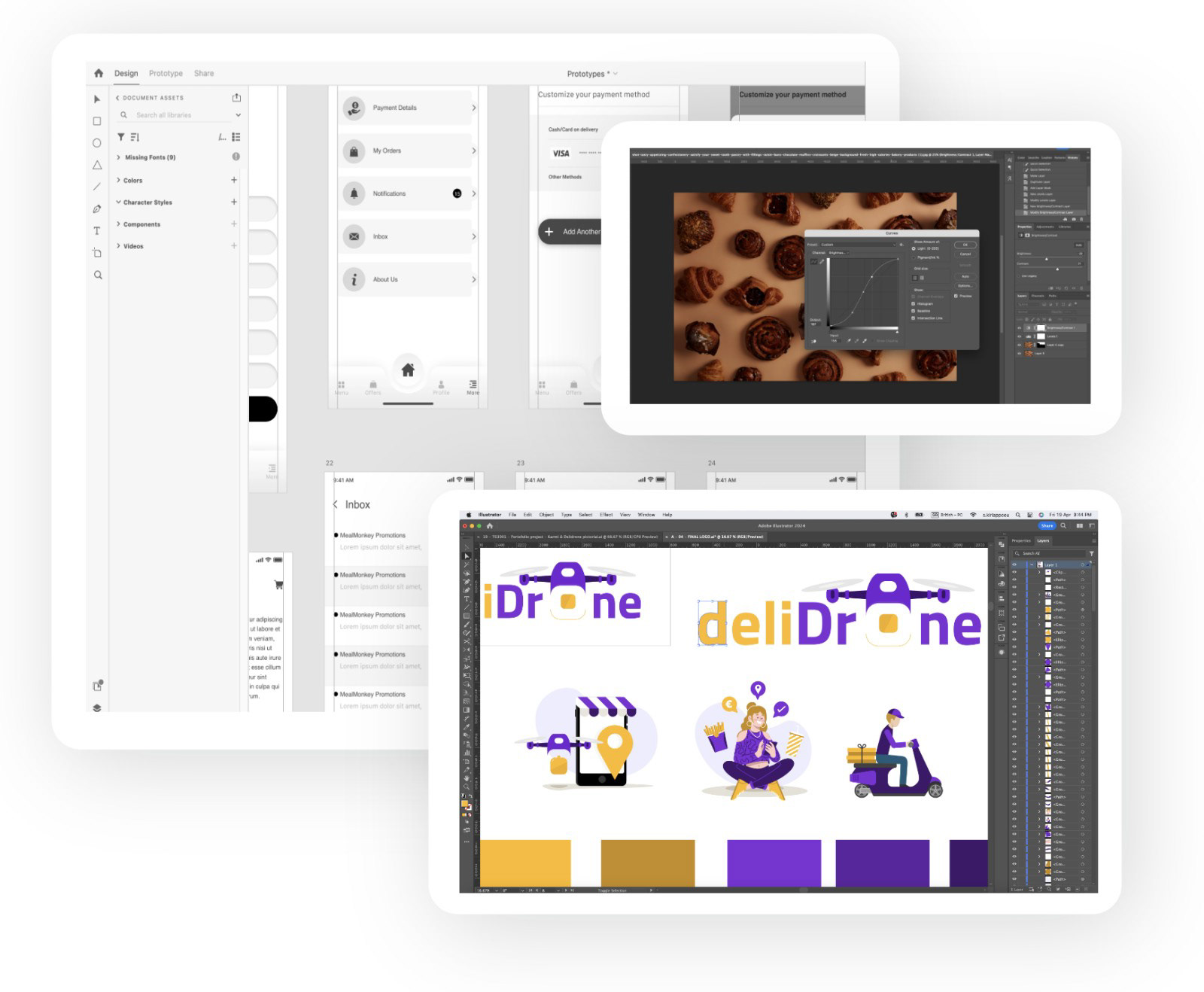
Adobe XD - I created wireframes for each screen of the Delidrone app, focusing on the layout and functionality. Overall, it was a valuable tool in the early stages to refine ideas and establish a solid foundation for this project. Adobe Illustratior - I created all the graphics for Delidrone, including the logo and illustrations. Adobe Illustrator's tools and flexibility allowed me to design and refine each graphic element with precision. Adobe Photoshop - I handled photo editing and created ad banners. Using Photoshop's editing tools, I enhanced images to ensure they looked their best and aligned with the app's aesthetic.

FINAL PRODUCT